ServicesRoof Replacement
Roof Replacement in Chillicothe, OH
When repairs stop holding, we replace the whole roof system: old layers off, deck checked and repaired, new underlayment, flashing and ventilation, then the shingles you chose. The result is a dry, well-vented roof that helps your home hold steadier temperatures through the year.
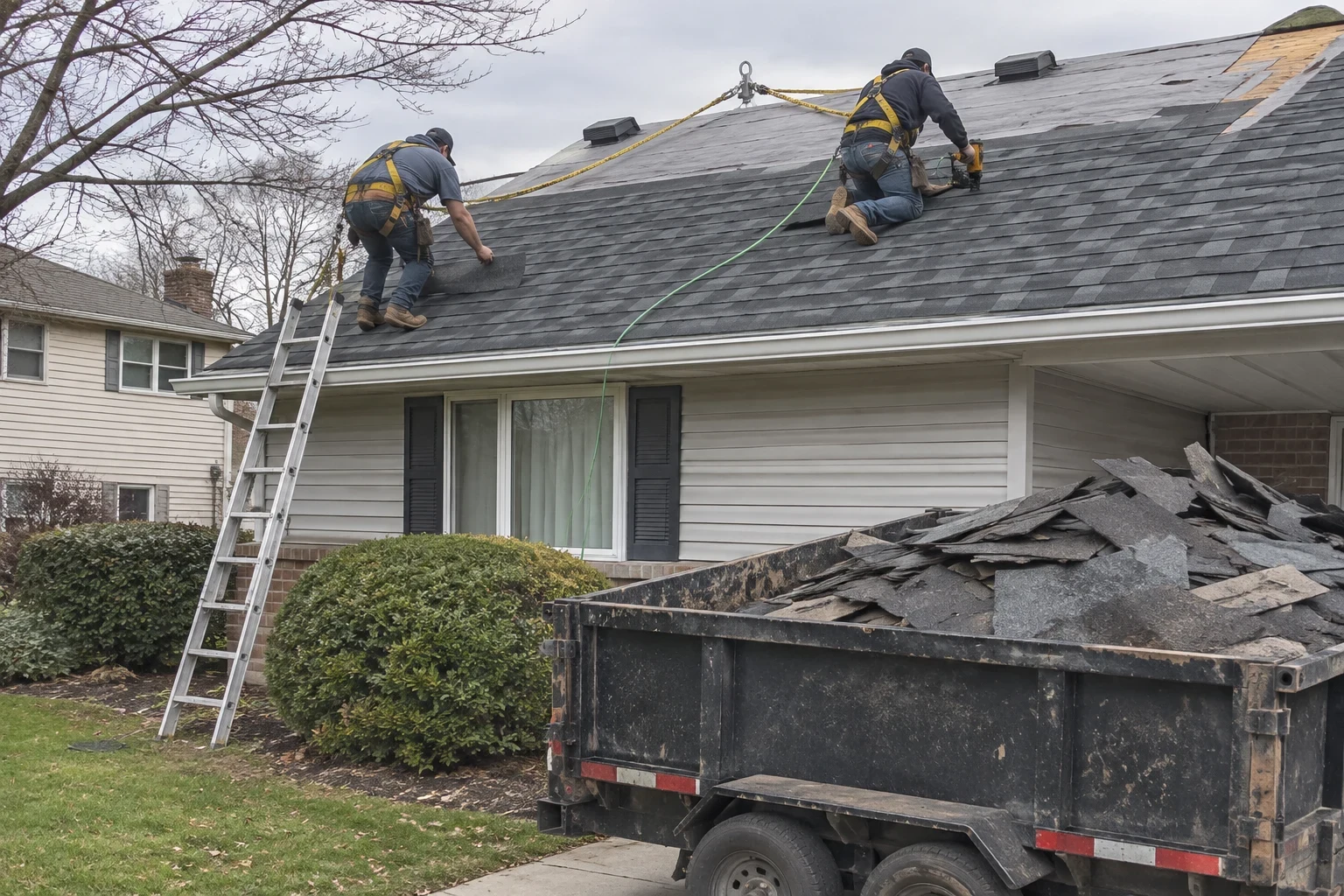
A new roof, built as a system
Shingles are only the top layer. Below them are the wood deck, the underlayment, the metal flashing at chimneys and walls, and the vents that move air through your attic. A replacement rebuilds every one of those layers together, since a good shingle laid over a worn deck or a stuffy attic will fall short of its expected life.
Replacement makes sense when wear has spread across most of the roof rather than sitting in one corner. A single leak or a handful of missing shingles is usually better handled through our roof repair service, and we will say so when that is the case.
A well-built roof also changes how the house feels. Matched intake and exhaust ventilation keeps summer heat from building up in the attic and eases the warm-attic conditions that feed winter ice dams. We are insured and bonded, and we treat your yard, driveway and siding with the same care we give the roof itself.
What comes with your new roof
Torn off to the wood deck
We remove every old shingle and all the underlayment until the bare deck is showing. That way rot, weak spots and old nail damage are easy to find before anything new goes down.
Failed sheathing swapped out
Boards that are soft, rotted or coming apart in layers get replaced, so the new roof sits flat and solid. We photograph the damage for you before we replace it.
Ice and water membrane plus synthetic underlayment
A peel-and-stick membrane goes along the eaves, in the valleys and around every vent pipe and chimney, where ice dams and freeze-thaw force water back under shingles. The remainder of the deck gets synthetic underlayment.
New flashing and pipe boots
Every chimney, wall, skylight and plumbing vent gets new metal and new boots, not reused parts. Leaks most often start at these joints, so we work on them slowly.
Balanced attic ventilation
We compare the intake at the soffits with the exhaust at the ridge or roof vents and fix whichever one comes up short. Even airflow holds down summer attic heat, carries off winter moisture and helps shingles last longer.
Shingles with lifetime material warranties
Our shingle lines carry lifetime material warranties, and we pick colors and profiles that fit your house. A lighter or reflective shade can reduce the heat the roof absorbs, and we will let you know when it is worth it.
Signs your roof is ready to be replaced
- Granules piling up in the gutters
- Aging asphalt shingles lose the mineral granules that shield them from sun. Gritty buildup in the gutters or dark, bare patches on the slopes show the shingles are wearing thin.
- Curled, cupped or split shingles
- Seasons of summer heat and winter cold leave shingles brittle. Once edges lift or tabs split on more than one slope, wind and rain find their way underneath.
- Patches that do not hold
- When one spot has been repaired twice already, or fresh drips show up in different rooms, the roof as a whole is usually failing rather than a single seam.
- A sagging or soft roofline
- Low spots along the ridge or areas that give underfoot suggest a wet or weakened deck. That damage tends to grow if it is left alone.
- A baking attic and long icicles
- An attic that turns stifling in summer, paired with heavy icicles or ice dams at the eaves in winter, usually points to poor ventilation. A replacement is the right moment to correct it.
How a replacement day runs
- 1
Roof and attic walk-through
We look at the roof surface, flashing and gutters, then go into the attic to check ventilation, insulation clearance and signs of moisture. You get photos of what we saw.
- 2
Written line-item estimate
You receive a clear estimate showing materials, deck allowance, ventilation changes and any permit. Nothing is buried in a single lump figure.
- 3
Protecting your property
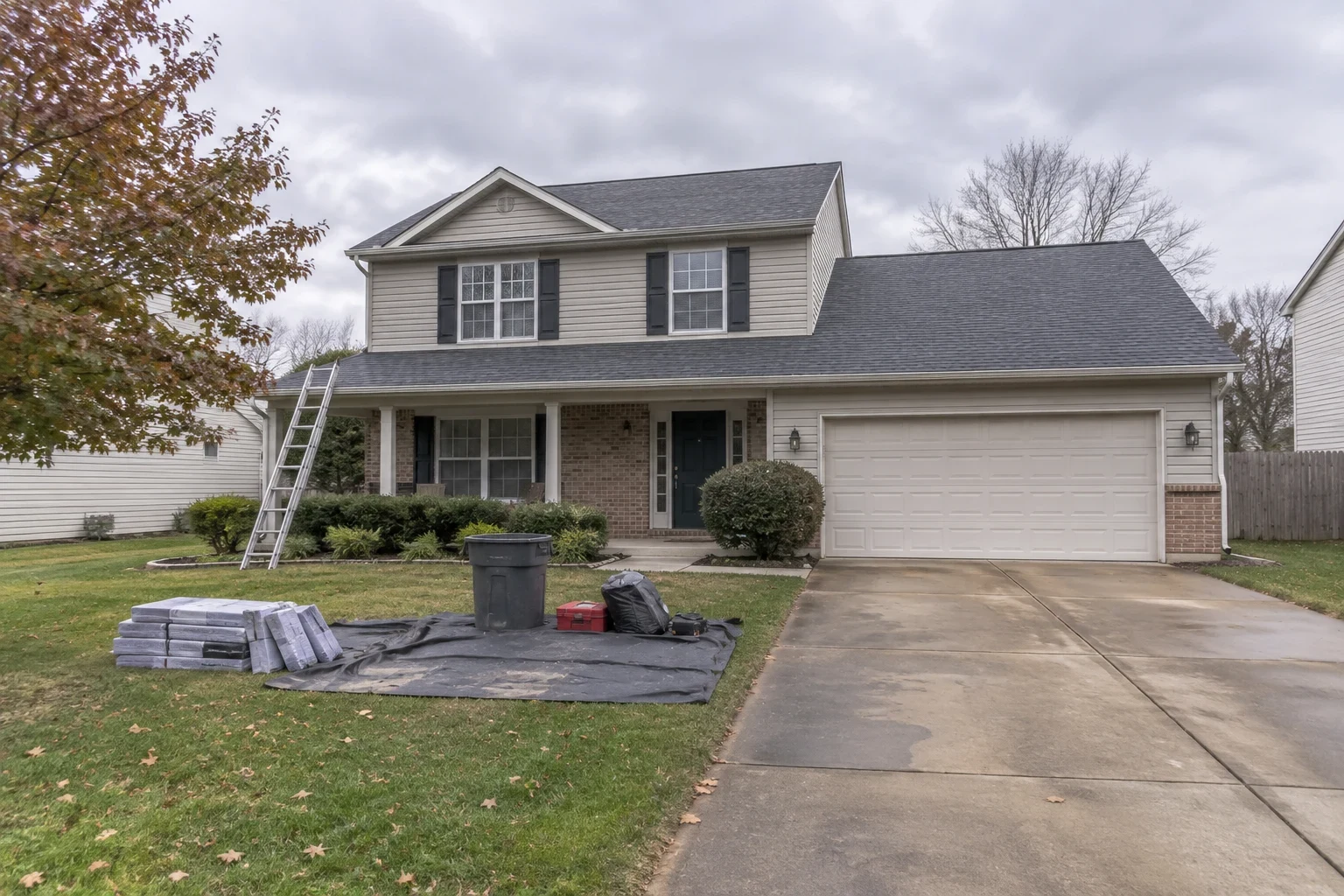
Before tear-off we cover landscaping, protect siding and windows near the work, and set the dumpster where it does the least harm to your lawn or driveway.
- 4
Tear-off, deck and new system
Old roofing comes off in sections so the house is never left open overnight. Deck repairs, membrane, underlayment, flashing, vents and shingles go on in order.
- 5
Cleanup and final review
We sweep the yard and driveway with magnets for stray nails, haul away all debris and walk the finished roof with you. Your workmanship and material warranty details are explained before we leave.
What sets the price of a new roof
We do not quote a roof over the phone. We measure it and see its condition first, then give you a written estimate broken into lines from tear-off to ridge vent, so you can see where each dollar goes. These factors make the biggest difference.
- Roof size and steepness
- Square footage sets how much material the roof needs. A steeper slope calls for safety gear and slower work, which raises labor.
- Old layers and decking
- Removing two or three old roofs means more labor and more hauling than removing one. Rotted boards stay hidden until the shingles come off, so your estimate carries a per-sheet decking allowance you can look over before we start.
- Your shingle choice
- Architectural, impact-rated and reflective shingles are each priced differently. We go over how long each usually lasts and how much heat it lets into the attic.
- Ventilation and flashing upgrades
- Adding a ridge vent, opening up soffit intake or rebuilding chimney flashing raises the total. These upgrades often do the most for comfort and for how long the roof lasts.
- Permits and site access
- Local permit requirements, tight lots and extra roof sections over porches or detached garages all change the final number.
New roof questions
- How many days will the replacement take?
- One to three working days for most homes, depending on the roof's size and slope and how much sheathing has to be replaced. We will not open a roof with rain coming, and we phone you if weather shifts the schedule.
- Can I save money by shingling over my old roof?
- A layover can be cheaper at first, but we do not recommend it. The extra layer adds weight, hides any rotted decking and prevents us from installing membrane and new flashing at the eaves and valleys. Shingles laid over an old roof also tend to wear out sooner.
- Can a new roof cut my heating and cooling costs?
- Often it can, mainly through better attic ventilation and sometimes a lighter, more reflective shingle. A cooler attic pushes less heat into the upstairs in July. How much you notice depends on your insulation and how badly the old roof was vented, so we give you an honest read instead of a number we cannot support.
- What warranties does a new roof include?
- The shingle lines we install come with lifetime material warranties from the manufacturer, and our installation carries a 10-year workmanship warranty. We review both with you once the roof is done.
- Do I have to stay home during the job?
- Not as long as we can reach you by phone. Tear-off is noisy and rattles the walls, so please take down mirrors and fragile frames on the upper floor before we arrive.
- Is this a good time to do gutters or soffit and fascia too?
- Often it is, because the roof edge and drip edge are already open. We will give you an honest answer on whether your gutters or soffit and fascia need work now or still have years left.
Ready to plan your new roof
Tell us about your roof and when you first noticed trouble. We will arrange a walk-through, look at the attic, and follow up with a written estimate you can review at your own pace.